Window Reading Nooks: Cozy Ideas for a Bright and Comfortable Book Nook
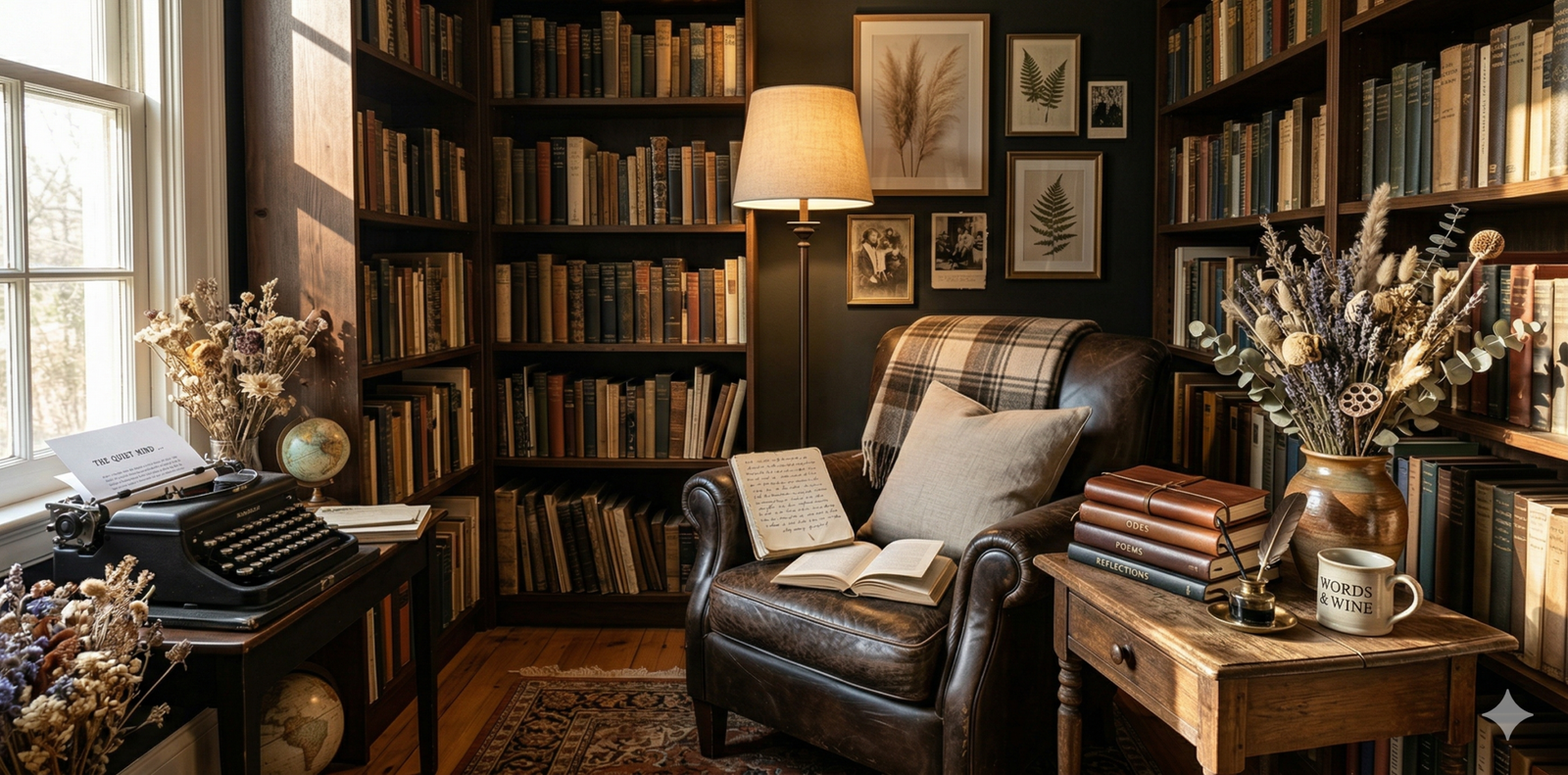
A window reading nook can turn an overlooked corner into one of the most inviting places in your home. With natural light, a comfortable seat, and a few carefully chosen details, even a small space beside a window can become a peaceful retreat for reading, relaxing, or enjoying a quiet cup of coffee.
Whether you have a deep bay window, an unused alcove, or simply an empty corner beside your living room windows, there are plenty of practical reading nook ideas to suit your space. From a built-in nook bench to an oversized reading chair, the best window nooks feel comfortable, personal, and easy to use every day.
A note from Willow & Aire: At Willow & Aire, I select products with care and share thoughtful ideas and decorating inspiration to help you create a home that feels cozy, beautiful, and personal, whatever your budget may be. Affiliate disclosure: This post may contain affiliate links. If you buy through them, I may earn a small commission at no extra cost to you.
1. Choose the Right Seat for Your Window Reading Nook
The seat is the most important part of any reading nook. It should feel comfortable enough for longer reading sessions while still fitting naturally into the available space.
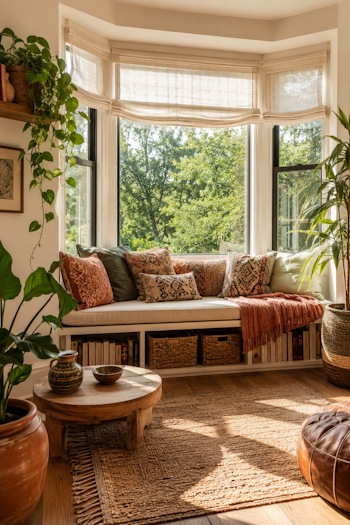
If you have a deep window recess, a built-in reading bench can make excellent use of the area. A bay window with bench seating creates a natural place to sit without taking up additional floor space, making it particularly useful in smaller living rooms or bedrooms. Add a thick seat cushion, supportive throw pillows, and a soft blanket to make the bench feel more comfortable.
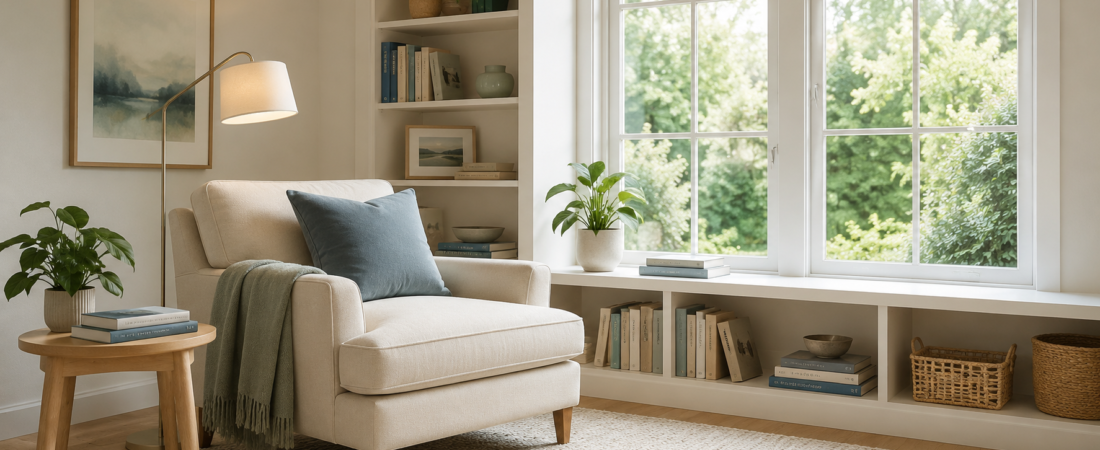
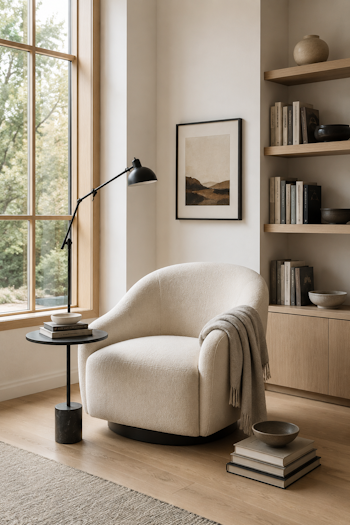
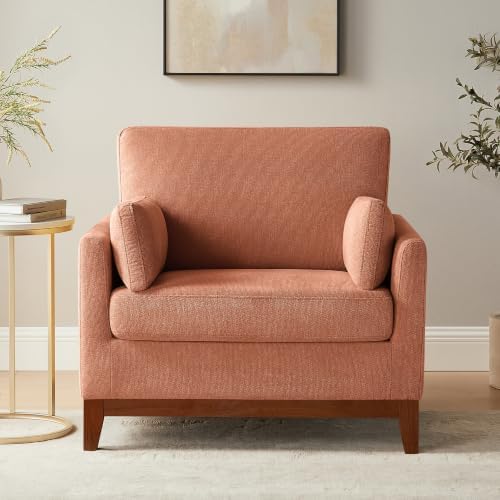
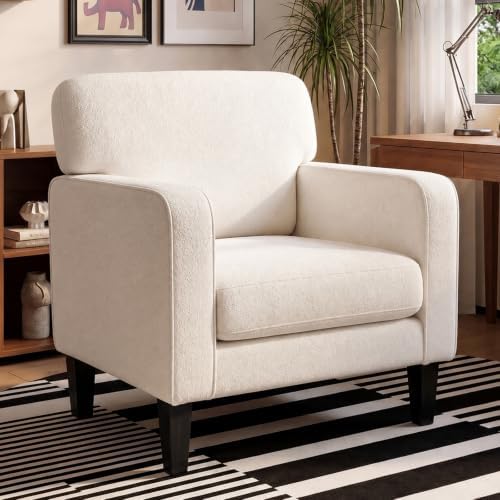
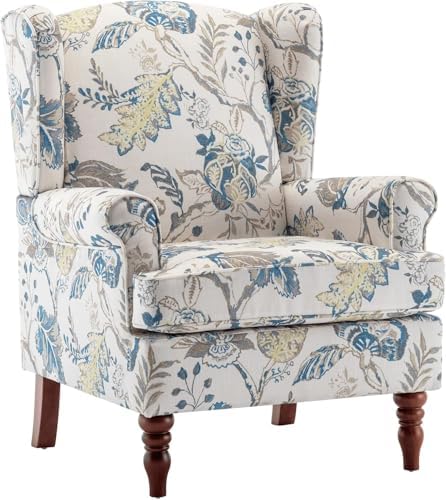
For a simpler option, place a reading nook chair beside the window. A compact armchair works well in a small corner reading nook, while an oversized reading chair can create a more luxurious place to curl up. Look for a chair with a supportive back, comfortable arms, and enough depth to sit in different positions.
A bedroom reading nook may work particularly well with a smaller accent chair, slipper chair, or chaise placed near the window. This helps define a separate relaxation area without making the bedroom feel crowded.
When choosing your seat, consider how the space will actually be used. A beautiful chair that feels too upright or too firm may look good but is unlikely to become a favorite reading spot. Comfort should come before appearance, although it is usually possible to find a design that offers both.
2. Make the Most of Bay Windows, Alcoves, and Corners
Some homes already have architectural features that are ideal for creating a window nook. Bay windows, alcoves, dormer windows, and deep window ledges can all be transformed into practical book nooks with relatively few changes.
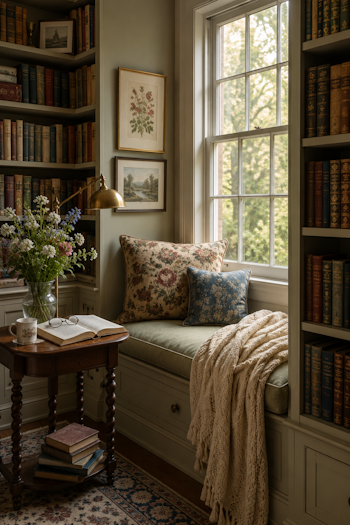
A window seat nook alcove can be fitted with a simple bench that extends across the width of the recess. Storage drawers or cupboards underneath the seat can provide a useful place for books, blankets, board games, or seasonal items. Open cubbies are another option if you want frequently used books to remain visible and easy to reach.
There are many different bay window nook ideas, depending on the size and shape of the window. A wide bay window can accommodate a long reading bench, while a smaller angled bay may work better with a custom cushion or individual chair. If the window area feels exposed, curtains or Roman shades can add privacy without blocking too much natural light.
An unused corner can also become an effective reading area. Corner reading nook ideas do not need to involve built-in furniture. A comfortable chair, floor lamp, small side table, and compact bookshelf may be all you need.
For a corner reading nook living room arrangement, position the chair so that it benefits from daylight without blocking the window or main walkway. Angling the chair slightly toward the room can help the nook feel connected to the rest of the living space while still creating a sense of separation.
3. Add Bookshelves, Lighting, and Comfortable Details
Once the seating is in place, the finishing details will determine whether the nook feels genuinely welcoming. Books should be close at hand, lighting should be practical, and the overall area should feel warm without becoming cluttered.
Reading nook bookshelves can be built around the window, positioned beneath it, or placed along a nearby wall. Window bookshelves are particularly effective because they frame the view while creating storage on either side. Tall, narrow bookcases can produce a similar effect without the cost of custom joinery.
For a smaller book nook window arrangement, try a low bookshelf beneath the sill or a slim bookcase beside the chair. A floating shelf can also hold a small selection of current books without taking up valuable floor space.
Natural daylight is one of the main advantages of a window nook, but additional lighting is still important for evenings and cloudy days. A wall-mounted reading light is useful where floor space is limited, while a floor lamp with an adjustable arm works well beside a chair. Choose a warm white bulb that provides clear light without creating a harsh atmosphere.
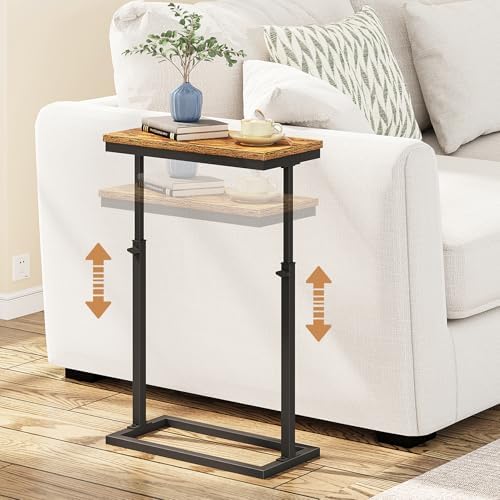
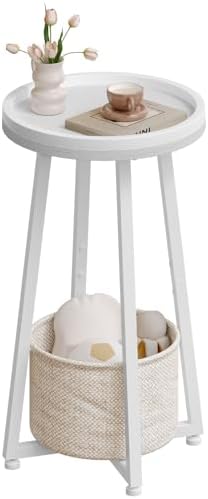
A small side table gives you somewhere to place a drink, reading glasses, or a bookmark. In a very compact nook, a wall-mounted shelf, narrow pedestal table, or wooden stool may be more practical than a full-size table.
Soft furnishings will make the space feel more comfortable. Add one or two supportive pillows, a washable throw, and a rug if the floor feels cold. Keep the color palette connected to the surrounding room so that the nook looks intentional rather than added as an afterthought.
Product Ideas for a Comfortable Window Reading Nook
A comfortable chair is usually the best place to begin. For reading nook ideas for adults, look for an upholstered armchair with a high or gently curved back, supportive arms, and a generously padded seat. An oversized reading chair can work especially well in a bedroom or larger living room, particularly if you enjoy curling up with your feet tucked underneath you.
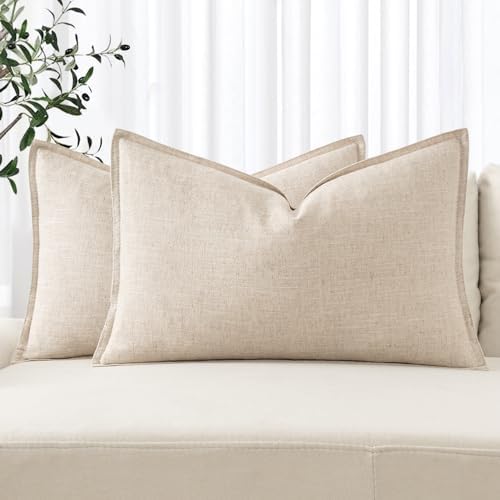
If you are creating a built-in or freestanding nook bench, a thick bench cushion will make a significant difference. Choose a removable, washable cover where possible, especially if the nook receives strong sunlight or is used by children and pets. A few lumbar pillows can provide additional back support without overcrowding the seat.
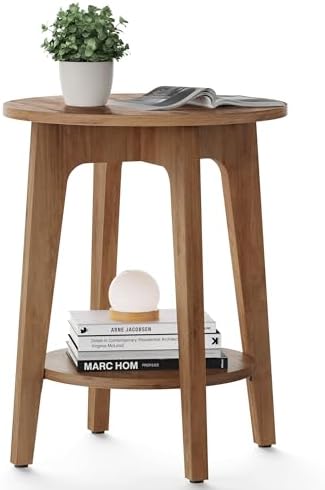
A compact side table is another useful addition. Small round tables, C-shaped tables, and narrow wooden stools all work well beside a reading chair. Choose something stable enough to hold a mug but small enough that it does not restrict movement around the nook.
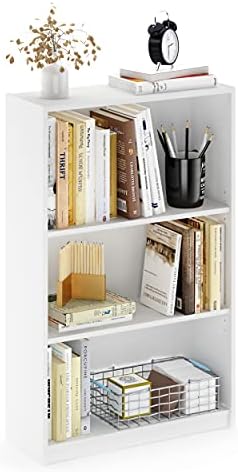
For book storage, consider a slim bookcase, floating shelves, or low cube storage. A home book nook does not need to contain an entire library. Displaying a carefully chosen selection of favorite books can make the space feel personal while keeping it neat.
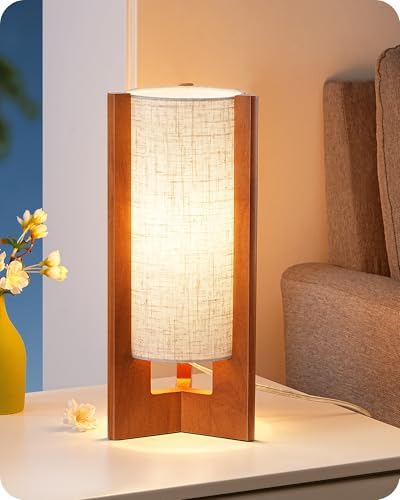
An adjustable reading lamp is worth investing in, even if the nook receives plenty of daylight. Floor lamps with movable heads, plug-in wall lights, and compact table lamps can all provide focused illumination. Avoid lamps that cast strong shadows across the page or produce very cool, blue-toned light.
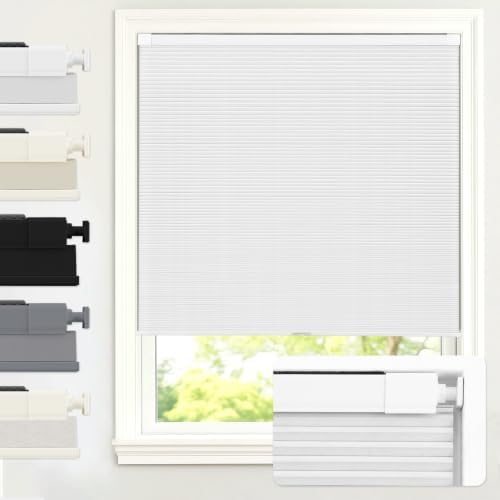
Curtains, blinds, or shades may also be necessary, particularly for south-facing windows. Light-filtering curtains can soften glare while preserving the bright quality of the space. In a bedroom reading nook, combining curtains with a blackout blind gives you greater control over light and privacy.
A soft throw and a small rug can complete the area. Choose materials that feel pleasant but are easy to maintain, such as washable cotton, soft acrylic, or a practical wool blend. These final layers help turn a simple chair beside a window into a finished and inviting book nook.
Mini Budget Note: Create a Reading Nook Without Built-Ins
You do not need custom carpentry to create an attractive window nook. Begin with furniture you already own, such as an occasional chair, small table, or unused bookshelf. Moving these pieces beside a window may be enough to establish the basic layout.
Secondhand armchairs, wooden stools, baskets, and bookcases can often be found at thrift stores, marketplace listings, or local furniture sales. A chair can be refreshed with a new pillow and throw, while a basic bench can be made more comfortable with a ready-made cushion.
Instead of installing fitted window bookshelves, use two matching narrow bookcases on either side of the window. This can create the appearance of a more permanent built-in arrangement at a much lower cost.
Focus your budget on comfort and lighting first. A supportive seat and a good reading lamp will have more impact on how often you use the space than expensive decorative accessories.
Conclusion: Create a Window Nook You Will Actually Use
The best window reading nooks are comfortable, practical, and suited to the way you live. Whether you choose a bay window with bench seating, a reading nook in the bedroom, or a simple chair beside the living room windows, the goal is to create a place that encourages you to slow down and spend time there.
Start with a comfortable seat, keep books and lighting within easy reach, and add just enough texture to make the space feel inviting. With a thoughtful layout, even a small corner can become a bright and peaceful home book nook.