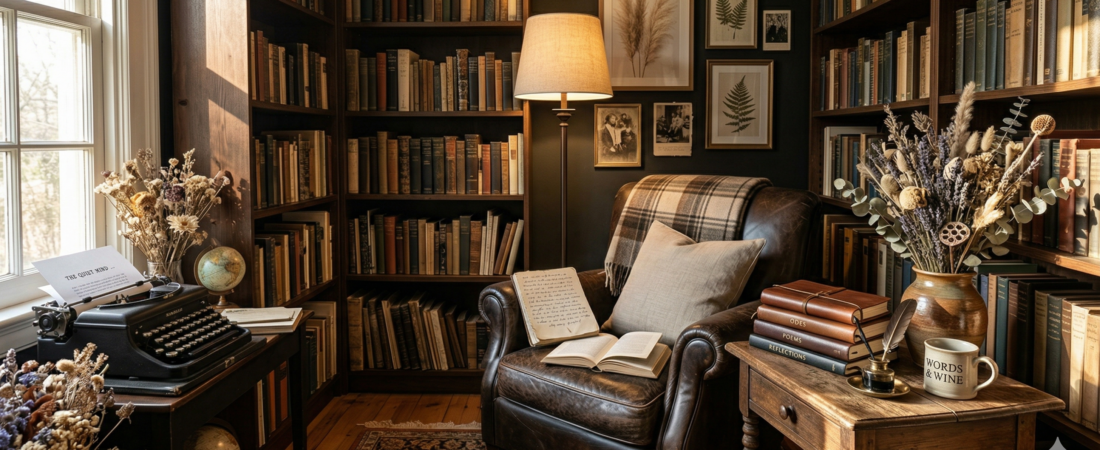
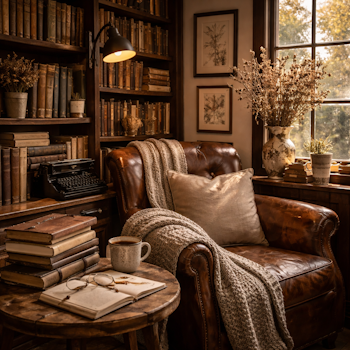
There is something quietly irresistible about a reading nook that feels as though it belongs in the corner of an old library or beside the window of a poet’s apartment at dusk. That is the essence of Poetcore: a deeply atmospheric aesthetic shaped by reading, writing, reflection, and a love of objects that feel storied rather than simply styled. Pinterest Predicts 2026 identifies Poetcore as an emerging trend, tied to growing interest in “the poet aesthetic” and “poet core,” signalling a wider return to interiors that feel thoughtful, romantic, and richly lived-in.
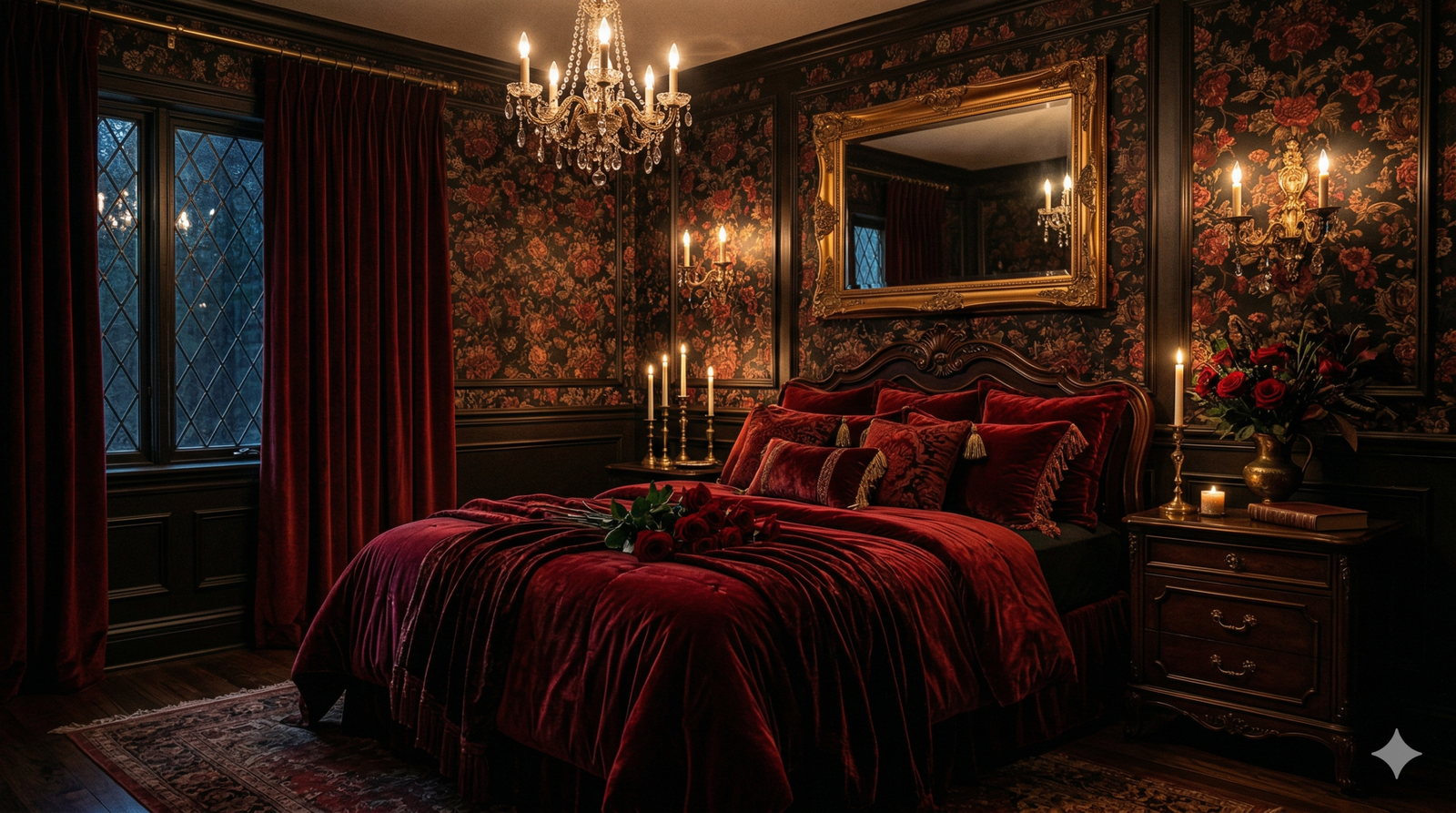
At home, Poetcore is less about perfection and more about presence. It invites in moody lighting, shelves lined with beloved books, botanical details, tactile fabrics, and pieces that suggest a life of curiosity and imagination. The palette tends to lean soft and shadowy—think moss green, faded rose, parchment, walnut, charcoal, and brown leather—while the overall mood feels intimate, literary, and quietly dramatic.
A Poetcore reading nook should feel like a place where time slows down. It is where a morning coffee becomes an hour with a novel, where a journal is always within reach, and where comfort is elevated by a sense of intelligence and romance. In other words, it is not just a corner to sit in, but a corner to think in. And the foundation of that feeling begins with two essentials: a beautiful chair and walls that tell a story.
Choose a Comfortable Reading Chair with Literary Presence
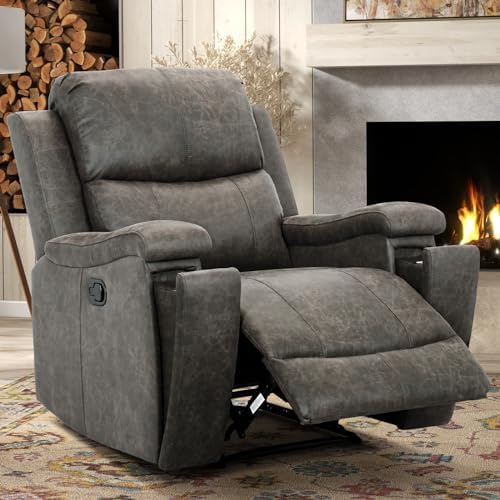
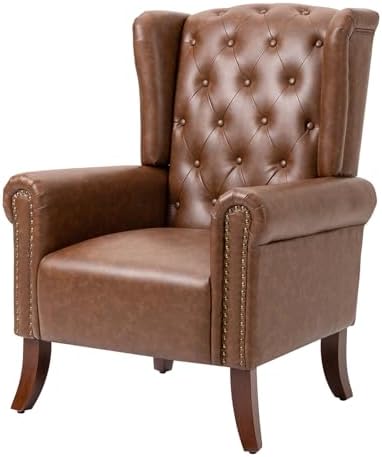
Every memorable reading nook begins with the chair. In a Poetcore space, this is not merely a practical place to sit, but the visual and emotional anchor of the entire corner. The right chair should suggest comfort at first glance, while also carrying a sense of depth and character—something that feels a little scholarly, a little romantic, and entirely inviting.
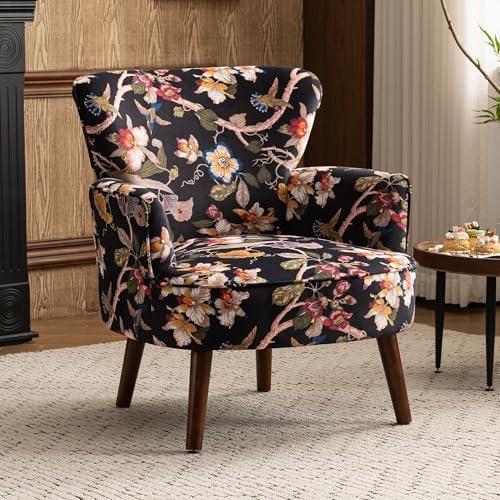
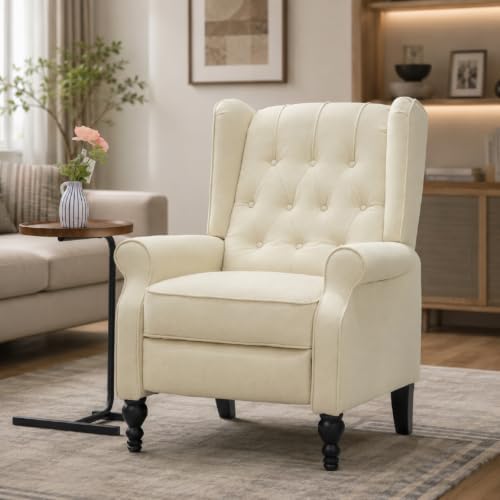
For this look, shapes matter. A curved accent chair, a classic wingback, or a tufted armchair can instantly give a nook more presence than a minimal, contemporary seat ever could. Poetcore interiors benefit from silhouettes that feel soft yet substantial, as though they belong in a room lined with books and half-finished thoughts. Even in a smaller space, one well-chosen chair can create the impression of a private retreat.
Materials also play an important role in setting the mood. Velvet adds a more dramatic, candlelit richness; linen feels quieter and more understated; faux leather introduces an old-library quality that works beautifully with dark wood and stacked books. Colour should stay within the world of muted, thoughtful tones: olive, tobacco, oat, charcoal, deep brown, or a faded burgundy. These shades help the nook feel collected and cocooning rather than bright and overly decorative.
Of course, atmosphere means very little if the chair is uncomfortable. A Poetcore reading nook is designed for lingering, so seat depth, back support, and softness matter just as much as appearance. This is the sort of chair that should encourage you to stay for one more chapter, then another.
Amazon Picks: Reading Chairs for a Poetcore Corner
This post contains affiliate links, which means I may earn a small commission if you shop through my links, at no extra cost to you. As an Amazon Associate, I earn from qualifying purchases.
Layer in Botanical Wall Art for a Romantic, Collected Feel
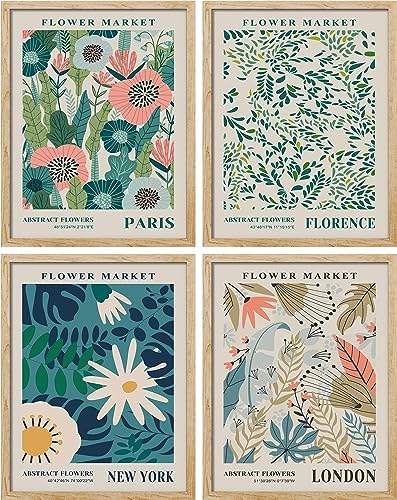
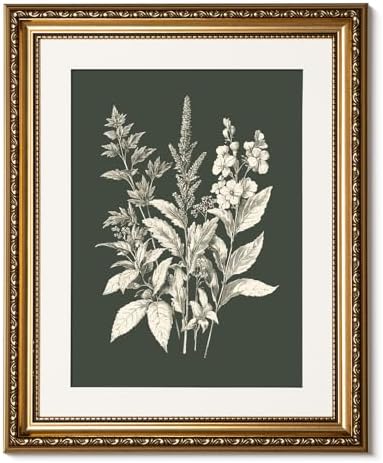
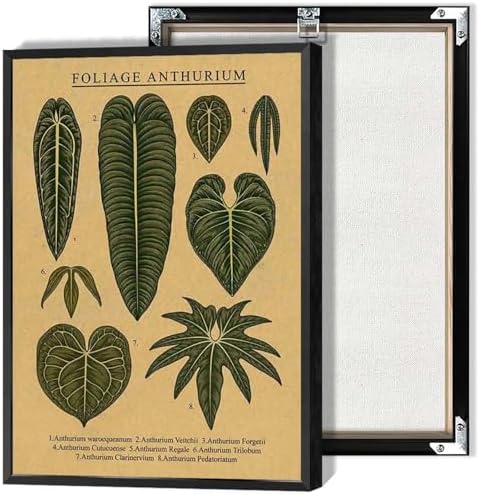
Once the chair is in place, the walls begin to shape the mood around it. Botanical wall art is one of the easiest and most effective ways to give a reading nook that distinctly Poetcore sensibility: thoughtful, slightly nostalgic, and softly tied to the natural world. It adds visual interest without overwhelming the space, and it helps transform an ordinary corner into something more immersive and personal.
What makes botanical art so well suited to this style is its balance of delicacy and intellect. Vintage flower studies, fern illustrations, pressed botanical prints, and old-world natural history sketches all feel connected to the same world as poetry collections, handwritten notes, and worn novels. They introduce a quiet romance while still feeling grounded and refined.
Rather than relying on one oversized print, Poetcore styling often works better with a small grouping of pieces that feels gathered over time. A pair of framed botanical studies above a chair, or a modest gallery arrangement beside floating shelves, can make the nook feel curated rather than staged. Dark wood, antique brass, or lightly distressed frames tend to work especially well here, lending a sense of age and texture that suits the aesthetic beautifully.
The imagery itself should remain soft and timeless. Think trailing vines, faded roses, sepia-toned leaves, or detailed sketches of wildflowers and herbs. These details echo the introspective quality of the space and keep the nook connected to nature, even in a small apartment or urban room.
Amazon Picks: Botanical Wall Art for Poetcore Styling
This post contains affiliate links, which means I may earn a small commission if you shop through my links, at no extra cost to you. As an Amazon Associate, I earn from qualifying purchases.
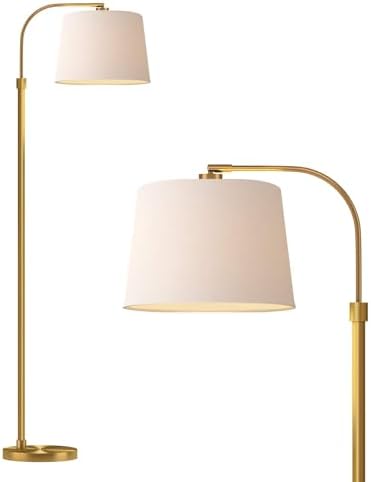
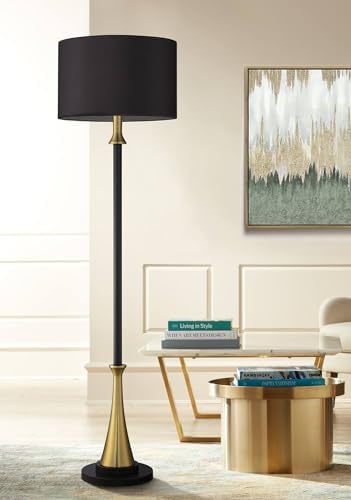
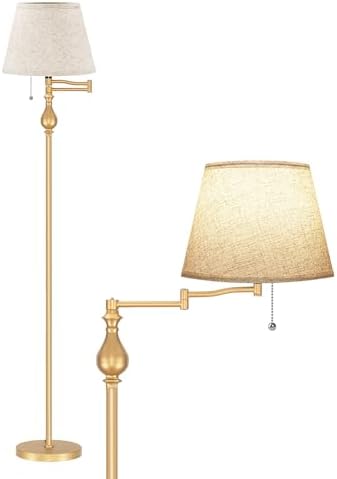
Lighting is what gives a Poetcore reading nook its inner life. Without it, even the loveliest chair and the most artfully styled shelves can feel incomplete. The right floor lamp does more than brighten a corner; it establishes mood, softens the room, and invites the kind of quiet, unhurried reading that this aesthetic celebrates.
Poetcore lighting should never feel sharp or clinical. It is gentler than that—warmer, lower, and slightly atmospheric, as though the room has settled into evening and the world beyond the window has gone hushed. A floor lamp with a linen shade, an antique brass finish, or a graceful arched silhouette can bring exactly that feeling. It adds height to the nook, balances the visual weight of a reading chair, and creates a pool of light that feels intimate rather than exposed.
In stylistic terms, this is where function and romance meet. A beautiful lamp contributes to the intellectual charm of the space, but it also needs to serve the practical demands of reading. Look for something tall enough to cast light over the shoulder, soft enough to flatter the room, and substantial enough to feel intentional. In a Poetcore interior, lighting should seem chosen, not merely installed.
Warm bulbs are especially important here. They help create the amber-toned glow that makes books, wood, textiles, and paper look richer and more tactile. Harsh white light tends to flatten the atmosphere, while warmer lighting deepens it, making even a modest corner feel more secluded and elegant. In this kind of nook, the lamp becomes part of the ritual: switched on in the late afternoon, illuminating a page, a journal, a stack of books, and perhaps a cup of tea cooling nearby.
A floor lamp can also help define the boundaries of the nook itself, especially in open-plan rooms or multipurpose spaces. It visually marks the corner as a place apart—a small sanctuary for thought, reading, and retreat. That sense of enclosure is central to the Poetcore mood. The space should not feel staged for display, but composed for lingering.
Amazon Picks: Floor Lamps for Ambient Reading Light
This post contains affiliate links, which means I may earn a small commission if you shop through my links, at no extra cost to you. As an Amazon Associate, I earn from qualifying purchases.
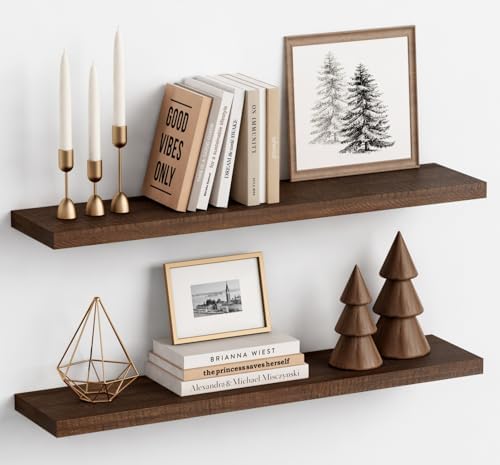
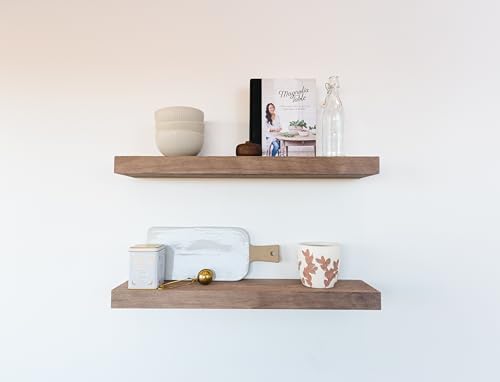
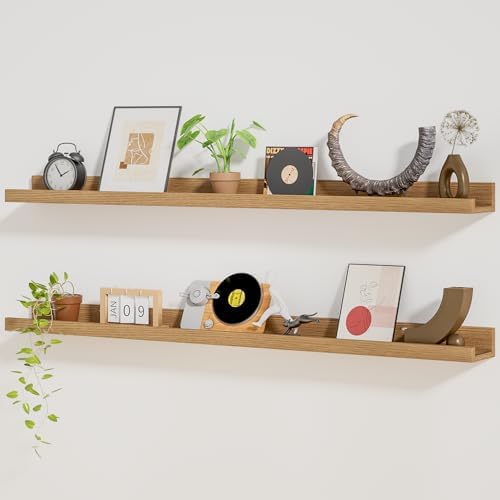
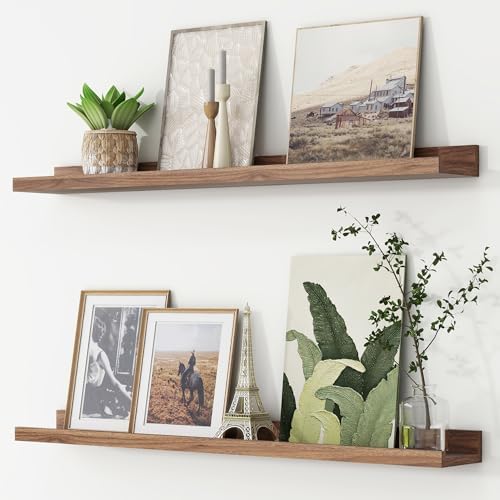
Install Floating Bookshelves to Showcase Beautiful Book Spines
No Poetcore reading nook feels complete without books in view. They are not simply accessories in this aesthetic; they are part of its emotional architecture. A shelf lined with novels, poetry collections, essay books, and well-worn hardbacks instantly gives a space depth, personality, and a sense of inward life. Floating bookshelves are especially effective because they allow books to become part of the visual composition without making the nook feel heavy or crowded.
Unlike bulkier bookcases, floating shelves have a lighter, more curated presence. They keep the area feeling open while still providing the layered, literary effect that Poetcore depends on. Even a single row of books above a chair can alter the character of a room, making it feel more thoughtful, more inhabited, and more closely tied to the rituals of reading and reflection.
What makes floating shelves so useful in a reading nook is their flexibility. In a small flat, they can transform an underused wall into a meaningful feature. In a larger room, they can frame the nook and make it feel more intentional. Dark wood finishes, walnut tones, or shelves with a slightly vintage look tend to suit the aesthetic especially well, though simpler styles can work beautifully too when styled with care.
The styling itself matters just as much as the shelving. Poetcore is not about rigid perfection or decorative colour-coding. It is better served by an arrangement that feels personal and quietly collected: a row of classic novels, a stack of poetry books laid horizontally, a leather journal tucked between volumes, perhaps a small framed print or a candle at one end. The goal is not to make the books look ornamental, but loved.
Book spines bring a remarkable amount of texture into a room. The faded paper jackets, clothbound covers, embossed titles, and uneven heights all add visual richness that no purely decorative object can quite replicate. In a Poetcore nook, this matters enormously. The space should feel like it belongs to a reader, and visible books are one of the simplest ways to achieve that.
Floating shelves are also ideal for readers who want the nook to remain practical. Favourite titles can stay close at hand, current reads can be displayed beautifully, and the shelf itself becomes an extension of the reading experience. It turns the wall into something living—a place where taste, memory, and daily habit quietly meet.
Amazon Picks: Floating Shelves for a Bookish Display
This post contains affiliate links, which means I may earn a small commission if you shop through my links, at no extra cost to you. As an Amazon Associate, I earn from qualifying purchases.
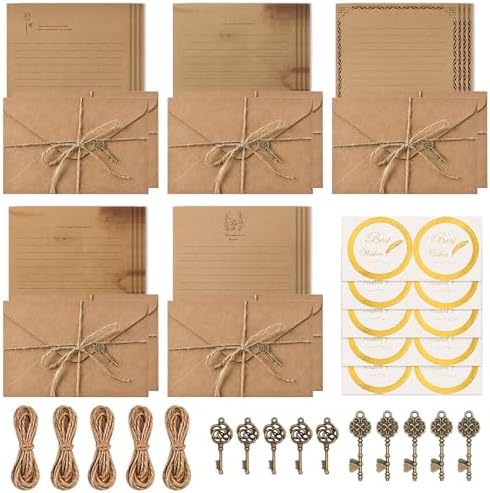
Style with Leather Journals and Writing Accessories as Décor
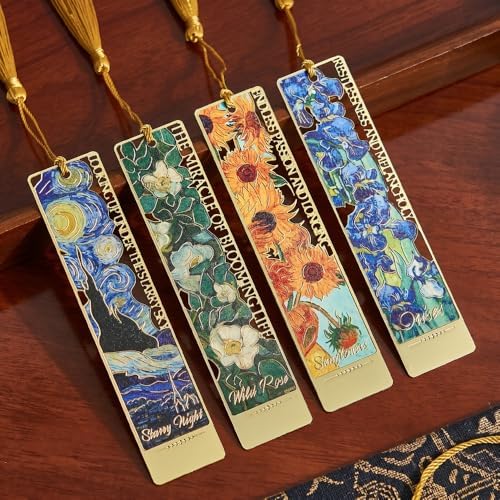
A true Poetcore reading nook should suggest not only the habit of reading, but the impulse to write. There is something especially evocative about a space that holds both books and blank pages: one for receiving ideas, the other for forming them. Leather journals, fountain pens, bookmarks, and other writing accessories bring that sense of inward life into the room, making the nook feel more personal, reflective, and intellectually alive.
This is where Poetcore becomes especially intimate. A stacked journal on a side table, a pen resting across an open notebook, or a small tray of paper ephemera can make a space feel as though it is in active use rather than merely arranged for effect. These objects hint at letters half-written, thoughts caught in the margin, poems drafted late in the evening, or simple observations recorded before the day slips away. In that sense, they are decorative, but never empty.
Leather is particularly well suited to this aesthetic because it introduces age, texture, and gravity. A journal with a distressed cover or a warm brown finish feels more atmospheric than something glossy or overly polished. It sits beautifully beside dark wood, brass, dried flowers, and clothbound books, adding to the impression that the room has been shaped by habit and memory over time. Even a single well-chosen notebook can lend a nook more character.
The most effective writing accessories tend to feel useful first and decorative second. A refillable journal, a fountain pen, an elegant bookmark, or a simple letter holder all support the daily rituals that Poetcore celebrates. They remind the reader that this corner is not only for consuming beautiful words, but for lingering with one’s own thoughts as well. That dual purpose gives the space its depth.
Placement is important here. A journal left casually on a chair-side table, a pen cup on a narrow desk, or a neat little stack of notebooks on a shelf can all work beautifully. The aim is not to over-style every surface, but to place a few meaningful pieces where they feel natural and within reach. Poetcore thrives on suggestion. A room feels more intelligent when it looks as though it has been lived with, not curated too neatly.
Amazon Picks: Leather Journals and Desk Accessories
This post contains affiliate links, which means I may earn a small commission if you shop through my links, at no extra cost to you. As an Amazon Associate, I earn from qualifying purchases.
Soften the Space with Throws, Pillows, and Tactile Textiles
If the chair establishes the nook and the lighting gives it mood, textiles are what make it feel irresistible. Poetcore is, at heart, an aesthetic of comfort shaped by thoughtfulness. It asks a room to feel not only beautiful, but inhabited, and nothing creates that effect more naturally than a generous layering of soft, tactile fabrics.
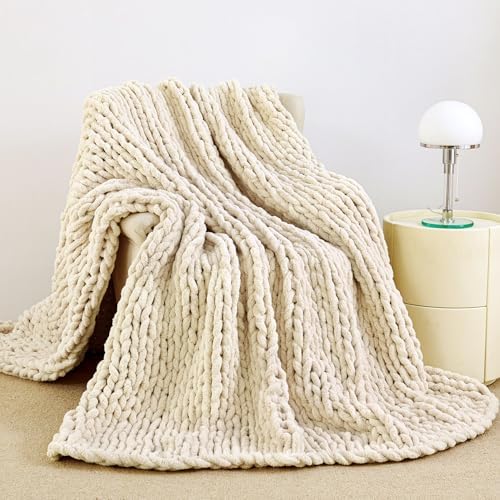
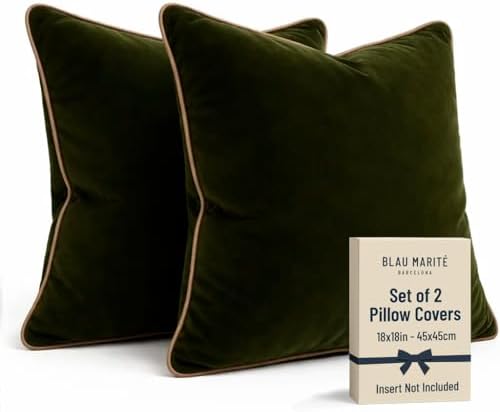
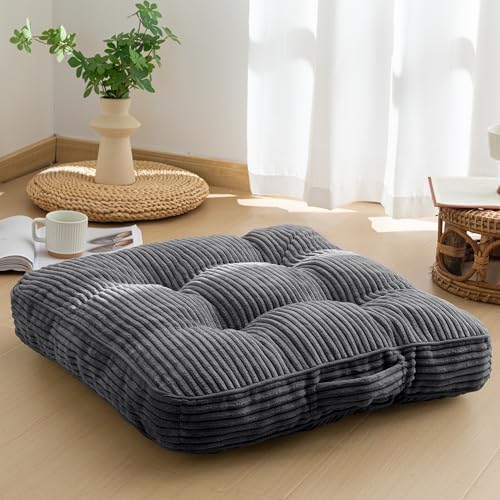
Throws and pillows have the power to transform even a very simple chair into something cocooning and evocative. A folded knit throw over the armrest, a velvet pillow tucked into the corner, or a washed linen pillow in a muted tone can immediately make the space feel more settled. These touches are not purely decorative. They suggest warmth, lingering, and the small physical comforts that allow a reading nook to become a place one returns to again and again.
Texture matters more than pattern here. Poetcore tends to favour materials with depth and softness: chunky knits, brushed cotton, velvet, linen, and lightly rumpled fabrics that catch the light in a gentle way. These materials help the nook feel layered without becoming busy. They also balance the more serious visual elements of the aesthetic, such as books, wood tones, and darker colours, by introducing softness and ease.
Colour should remain restrained and atmospheric. Cream, taupe, moss, tobacco, faded rose, aubergine, charcoal, and soft olive all work beautifully within a Poetcore palette. These shades carry warmth and mood without overwhelming the room. Rather than matching everything exactly, it is often more effective to combine related tones and varied textures. A velvet pillow beside a looser linen pillow, for instance, feels more nuanced and natural than a perfectly coordinated set.
Textiles are also one of the easiest ways to make the space feel seasonal. In colder months, a heavier knit throw and deeper tones can make the nook feel especially enveloping; in warmer months, lighter linen and softer neutrals preserve the mood while keeping the space airy. This adaptability makes textiles one of the most practical ways to sustain the Poetcore look throughout the year.
Most importantly, these softer layers prevent the nook from feeling overly austere. Because Poetcore can lean toward darker woods, old-world details, and scholarly references, fabrics are what keep the room balanced. They ensure that the intellectual atmosphere remains welcoming rather than severe. The ideal result is a corner that feels thoughtful, but also profoundly comfortable.
Amazon Picks: Throws and Pillows for a Poetcore Layered Look
This post contains affiliate links, which means I may earn a small commission if you shop through my links, at no extra cost to you. As an Amazon Associate, I earn from qualifying purchases.
Include a Side Table or Small Writing Surface for Ritual and Function
A reading nook becomes more compelling when it supports ritual as well as rest. That is why a side table or small writing surface is such an important final layer. It gives the nook a place for the objects that make the space feel lived in: a book set down mid-chapter, a cup of tea, a candle, a notebook, a pair of reading glasses. Without somewhere to place these things, the nook risks feeling incomplete no matter how beautiful it looks.
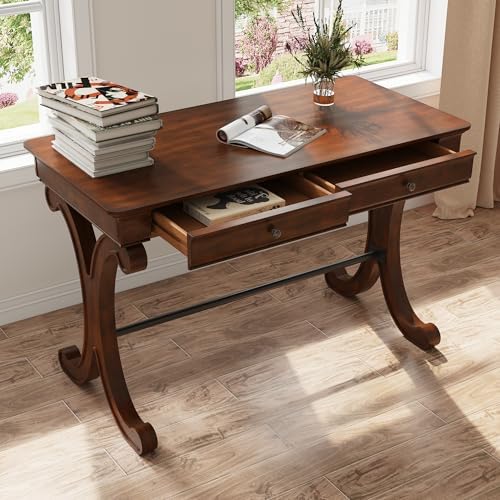
In Poetcore interiors, this practical piece should still contribute to the atmosphere. A dark wood side table, a vintage-inspired pedestal table, or a narrow writing desk can all work beautifully, depending on the size of the space. The best options have a sense of quiet presence: simple enough not to compete with the chair, but characterful enough to feel intentional. A small table with a slightly old-fashioned silhouette often suits the look better than anything too stark or industrial.
This is the piece that helps turn a styled corner into a daily habit. A side table invites the reader to settle in properly, to bring tea, to light a candle, to keep a journal nearby. A writing surface extends the mood further, suggesting that this is also a place for reflection, note-taking, and private thought. In a Poetcore room, beauty and usefulness should not be separated; they should deepen one another.
For smaller homes, even a modest footprint can make a great difference. A compact drink table, a slim C-table, or a tiny pedestal stand can provide enough surface area without making the corner feel crowded. In larger spaces, a narrow desk or console can add a more distinct writing element and reinforce the literary character of the nook. The key is proportion: the table should support the space, not dominate it.
Styling matters here too. A candle, a short stack of books, a journal, and perhaps a small ceramic dish or bud vase are often enough. Too many objects can make the surface feel cluttered, but a few carefully chosen pieces create the impression of a quiet, ongoing life. That balance is central to Poetcore. The room should feel thoughtfully arranged, but never frozen.
Amazon Picks: Side Tables and Compact Writing Surfaces
This post contains affiliate links, which means I may earn a small commission if you shop through my links, at no extra cost to you. As an Amazon Associate, I earn from qualifying purchases.
Finish with Candles, Bookish Accents, and Antique-Inspired Details
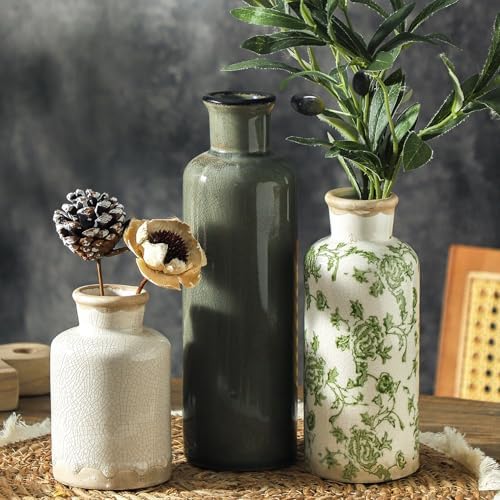
The final layer of a Poetcore reading nook lies in the objects that make it feel singular. These are the details that transform a pleasant corner into a world of its own: candlelight, brass accents, a ceramic vase, a framed line of poetry, a magnifying glass, dried flowers, or a beautiful object that looks as though it might have a story behind it. Such pieces do not need to be numerous. In fact, restraint is what gives them their power.
Poetcore thrives on atmosphere, and atmosphere is often created through implication rather than abundance. A pair of candlesticks can do more for the mood of the room than an entire shelf of generic décor. A small antique-style clock or a miniature bust can introduce the sense of an older, more contemplative world. A vase holding dried stems or dark greenery can soften the edge of a shelf and connect the space to nature in a subtle way. These details act almost like punctuation; they complete the sentence the room is trying to write.
The most successful accessories feel personal and slightly nostalgic. They should suggest a life shaped by curiosity and memory, not a shopping list followed too precisely. That is why bookish accents work so well here. An old poetry volume, a decorative magnifying glass, a brass letter opener, or a candle in an amber vessel all contribute to the impression of a nook assembled over time. The room begins to feel less styled and more inhabited.
Candles deserve special attention because they embody the Poetcore mood so perfectly. They add softness, shadow, and a sense of evening ritual, even when they are unlit. Taper candles in brass holders can introduce a quiet drama, while a softly scented candle in a ceramic or glass jar can make the nook feel immediately more intimate. Used sparingly, they provide one of the simplest ways to deepen the atmosphere.
These finishing details should remain edited. Poetcore is romantic, but it is not cluttered. Too many accessories can weaken the mood by making the corner feel busy rather than reflective. A few carefully selected objects, each with texture or character, will do far more than an excess of decorative filler. The goal is not to create visual noise, but to evoke a slower, more contemplative rhythm.
Amazon Picks: Decorative Accessories for a Poetcore Finish
This post contains affiliate links, which means I may earn a small commission if you shop through my links, at no extra cost to you. As an Amazon Associate, I earn from qualifying purchases.
The beauty of Poetcore lies partly in the fact that it does not need to feel expensive to feel convincing. In many ways, the aesthetic is at its best when it appears gathered gradually rather than purchased all at once. A comfortable chair, a warm floor lamp, and a thoughtfully placed shelf can establish the foundation, while smaller details—journals, botanical prints, candles, cushions, and second-hand books—can build the atmosphere over time.
For readers decorating on a budget, the most effective approach is to begin with function and mood rather than trying to recreate every detail at once. Invest first in what will shape the daily experience of the nook: a seat you genuinely want to curl up in, lighting that flatters the room, and a few soft layers that make the space feel settled. From there, mix affordable Amazon finds with thrifted pieces, charity-shop books, vintage frames, and objects you already own but have not yet styled with intention.
What makes a Poetcore nook memorable is not perfection, but personality. It should feel quiet, intelligent, and a little romantic—a place where books gather, thoughts linger, and the room seems to invite you to stay a little longer than planned. Even on a modest budget, that atmosphere is entirely possible. Often, it is created not by buying more, but by choosing a few beautiful things and giving them the right corner in which to breathe.